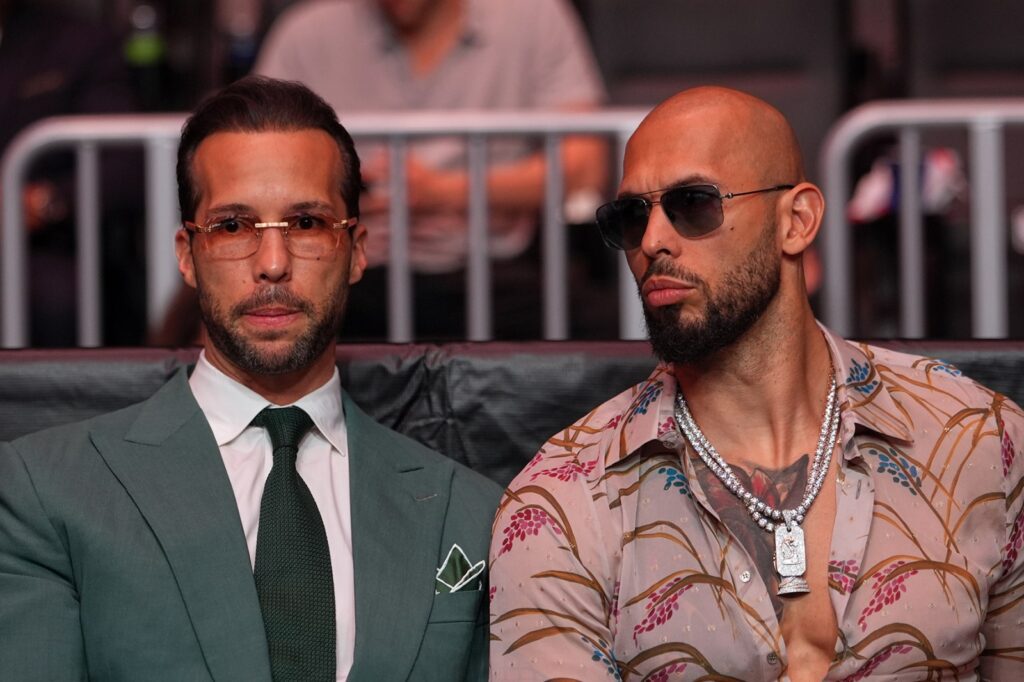
Andrew and Tristan Tate Arrested in Miami Amid New U.K. Charges
Andrew Tate, the controversial internet personality and human-trafficking suspect, was arrested in Miami alongside his brother Tristan on Saturday. The apprehension follows the U.K. Crown Prosecution Service (CPS) leveling a fresh set of charges against the pair, including allegations of rape and child exploitation. While a viral clip of the brothers being taken into custody by U.S. marshals sparked widespread online commentary, the legal reality facing the siblings is increasingly severe as they await potential extradition to the United Kingdom.
The Scope of New Legal Allegations
According to unsealed court documents, the new charges stem from allegations involving multiple victims in the U.K. dating back to 2010. The CPS has detailed a total of 59 pending counts across seven alleged victims, including accusations of sexual assault, physical harm, and the distribution of indecent images of minors. These charges represent a significant escalation in the legal pressure mounting against the brothers, who are already embroiled in a separate, high-profile human trafficking and money laundering investigation in Romania.
Extradition and Legal Hurdles
The Tate brothers are currently being held in a federal detention center while a Miami judge reviews the extradition request. Despite their legal team’s claims that the brothers are being subjected to harsh conditions, the U.S. government appears committed to facilitating the process. Unlike previous instances where the brothers faced travel restrictions or procedural delays, the current coordination between international authorities suggests a more unified approach to addressing the allegations.
Legal experts note that the shift from the Romanian proceedings to the British justice system marks a critical turning point. While the brothers have previously utilized their massive online platform to push narratives of a “matrix” conspiracy, the weight of the evidence collected by the Bedfordshire Police and the CPS presents a formidable challenge to their defense strategy. As the extradition process moves forward, the Tates’ ability to influence public perception may be increasingly limited by the formal constraints of the courtroom.