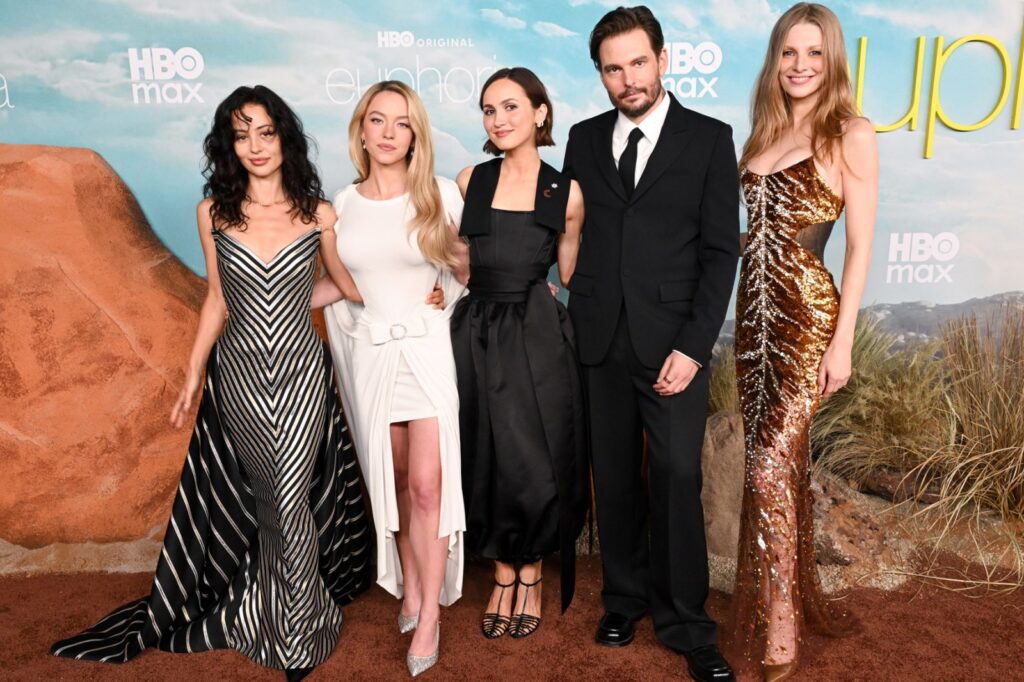
How Sam Levinson Weighed ‘Choices and Consequences’ in ‘Euphoria’ Season 3
A New Vision for Euphoria
Sam Levinson has never let ambition stand in his way. A month out from the April 12 premiere of Euphoria, the show’s creator, writer, and executive producer is at the Warner Bros. lot in Burbank, California, bouncing between multiple editing bays and screening rooms. He is meticulously providing feedback on everything from color correction to sound design, marveling at the show’s wide aspect ratio, which allows for more expansive, detail-rich scenes, and the season’s score, by Oscar-winning composer Hans Zimmer, with its cinematic swells.
“A lot of people start out with grand ambitions, but the process can easily wear you down,” says Levinson after a quick golf-cart ride to see a cut of Episode Four with the music placed. “As a team, whether it’s editorial or cinematography, we won’t stop until we get the best version of something. The audience can feel it. They know whether or not you’re trying.”
Navigating Loss and Creative Fuel
The road to Season Three was long and arduous. Following the controversies surrounding his most recent project, HBO’s The Idol, the four-year gap since Euphoria was last on air brought challenges both personal and professional. For Levinson, the son of noted filmmaker Barry Levinson, the spotlight was harsh. While some of the ensemble players—Zendaya, Jacob Elordi, and Sydney Sweeney—saw their careers catapult to new heights, the production faced profound personal losses. In July 2023, Angus Cloud, who played the gentle drug dealer Fezco, died of an accidental overdose. In February of this year, Eric Dane, who portrayed the tortured Cal Jacobs, passed away due to complications from ALS.
Through mourning came creative fuel for Levinson, who shares executive producer duties with his wife, Ashley. The couple had grown close to Cloud, and last saw him introducing their then-newborn son. “The grief with Angus deeply informed the season,” says Levinson, visibly moved. “He was someone I loved very much. And someone I fought very hard for. Look, I’ve dealt with addiction. I’m well-versed in it. So you’re always kind of prepared, but losing Angus really shook me and made me angry for a lot of reasons.”
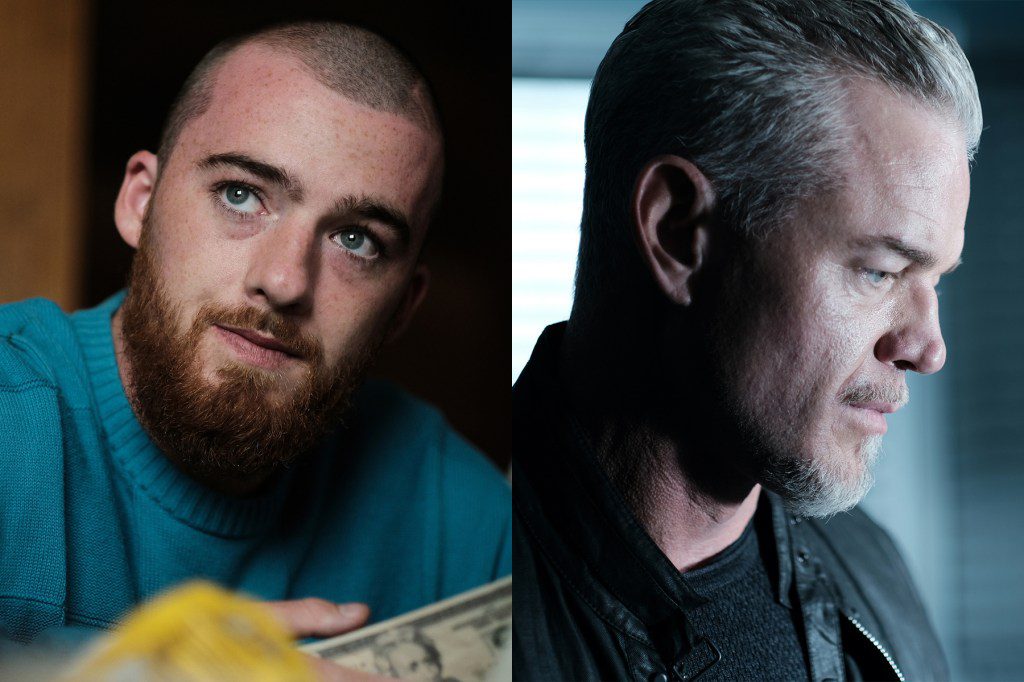
Levinson notes that keeping Fezco alive in the story—even if only imagined through phone calls—was a way to process the loss. “If I couldn’t control it in life, at least I can control it in the work,” he says.
A Shift in Tone and Musical Identity
As Euphoria has matured, it has become more linear. Season Three interweaves plot lines of formerly supporting players into their own self-contained arcs. It is also more comical, with characters like Cassie finding themselves in absurd, high-stakes situations. “She’s a very cunning, interesting, ambitious character,” Levinson says of Sweeney’s performance. “She’s never satisfied and perpetually searching for more.”
The musical identity of the show has also evolved. While the first two seasons relied heavily on needle drops, Levinson wanted a different approach for the third. With Labrinth no longer serving as the primary composer, Levinson turned to Hans Zimmer. “I was less interested in needle drops and more interested in something that guided us through this world,” Levinson explains. “They’re out of high school, so the pop roots of it have faded away. I see them in these landscapes, dealing with good and evil, the choices you make, the consequences, and the freedom of being older. I wanted to lean into an old-fashioned Hollywood Western score.”
The result is a grand, emotional soundscape that reflects the characters’ dreams, anxieties, and wishes. As Levinson looks toward the future, he remains focused on the integrity of the work. “Season Three is a unifying piece,” he says, “and I’m proud of that.”