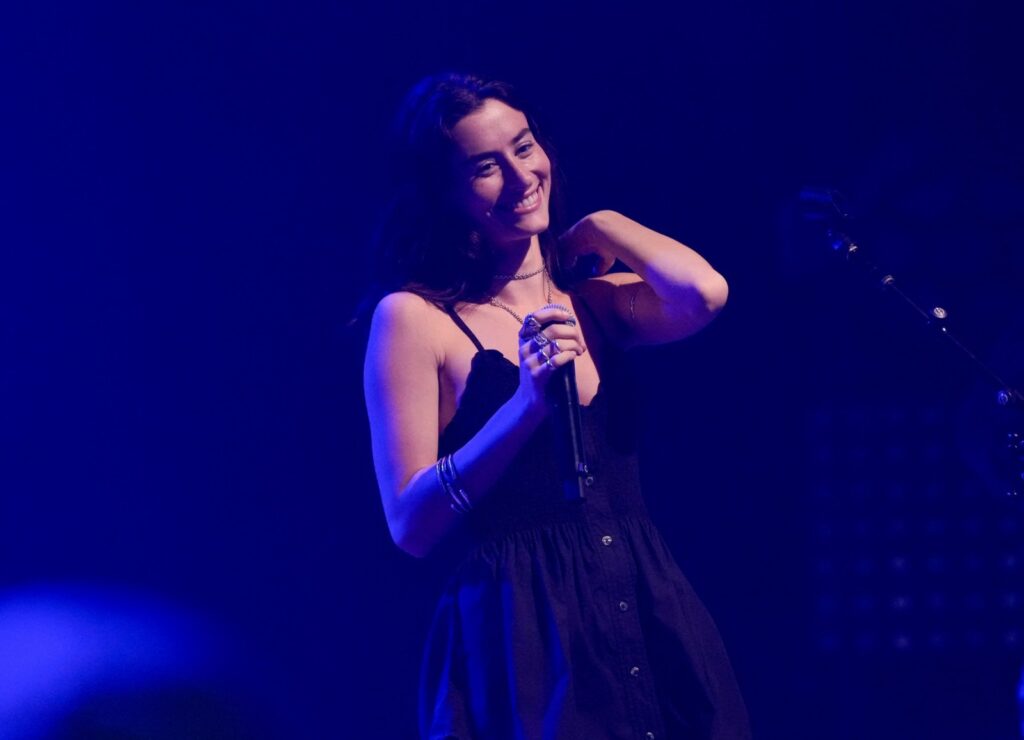
Stella Lefty and the ‘Industry Plant’ Accusations
When Yungblud recently addressed criticism regarding his status as an “industry plant” in a vulnerable social media post, he found support from a wide range of artists, from SZA to Scott Ian of Anthrax. The discourse surrounding the term—often used to dismiss an artist’s rapid rise as manufactured by corporate interests—is a persistent shadow in the modern music industry. While often associated with pop and rock, the label is increasingly being applied to country music figures, including mainstream stars like Ella Langley and viral sensations like Oliver Anthony.
The latest artist to face this scrutiny is Stella Lefty. The Chicago-area singer has gained significant traction with her country-pop crossover single “Boston,” which found a massive audience on TikTok. However, as her profile grows, so does the skepticism regarding her origins. Critics have pointed to her family background—her father is Groupon founder Eric Lefkofsky—and the involvement of high-profile songwriters like Noah Kahan, who holds a credit on “Boston” due to the track’s interpolation of his hit “Stick Season.”
Navigating the ‘Industry Plant’ Narrative
For Lefty, the intense public dissection of her career and even her physical appearance has been a jarring experience. In a recent interview, she described the discourse as “unnatural,” noting that even her smile has become a subject of online debate. Despite the negativity, the 23-year-old maintains a pragmatic outlook. “There’s always going to be people who don’t like me or my music, or something about me,” she said. “At the end of the day, I just focus on the people that do. This is what I decided to do. Double-edged sword.”
Her management team, led by Adam Alpert of Disruptor Records, takes a more combative stance against the accusations. Alpert dismisses the very concept of the “industry plant” as a red herring, arguing that it ignores the fundamental requirement for success in the music business: the music itself. “Industry plants don’t exist, no matter what anybody says or thinks from the outside of the music business,” Alpert asserts.
The Role of Songwriting and Authenticity
The label of “industry plant” has been attached to numerous successful artists over the years, including Billie Eilish, Lana Del Rey, and Taylor Swift. Alpert suggests that the common thread among these artists is not a manufactured marketing machine, but the ability to produce compelling, resonant songs that connect with listeners. “You have to make great songs that people like,” he says. “All these artists that people call ‘industry plants’ are having success because they’ve done just that.”
As the conversation continues, Lefty remains focused on her craft, accepting that the scrutiny is an inevitable, if unpleasant, byproduct of her current trajectory. Whether the “industry plant” label will fade as her catalog grows remains to be seen, but for now, the focus remains on the music that brought her to the forefront of the country-pop conversation.