Dawn Richard Announces New Album ‘Creole Culture’
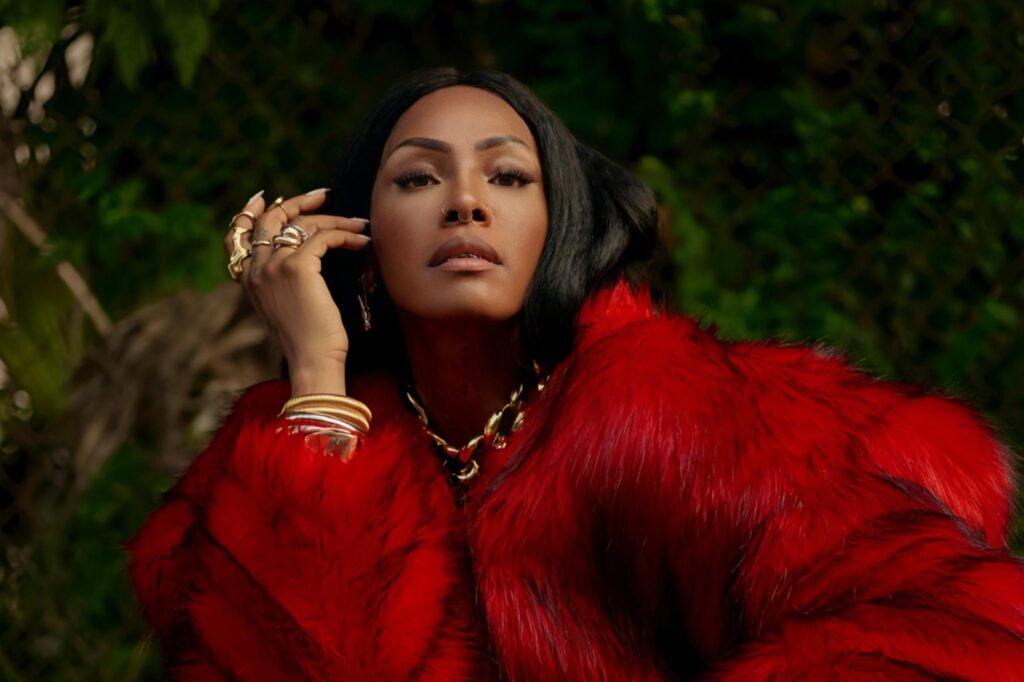
Dawn Richard is returning to her origins with her forthcoming studio album, Creole Culture. Scheduled for release on October 9, the project serves as a deep dive into the artist’s New Orleans heritage, balancing historical reverence with a forward-thinking, global pop sensibility.
“Creole Culture is my way of saying that New Orleans culture doesn’t have to live in the past to be authentic,” Richard stated. “It can be progressive. It can be global. It can be pop culture. It can look like me.” The new record follows her previous acclaimed works, New Breed (2019) and Second Line (2021), both of which explored the cultural fabric of her hometown through distinct, personal lenses.
A New Chapter in New Orleans Sound
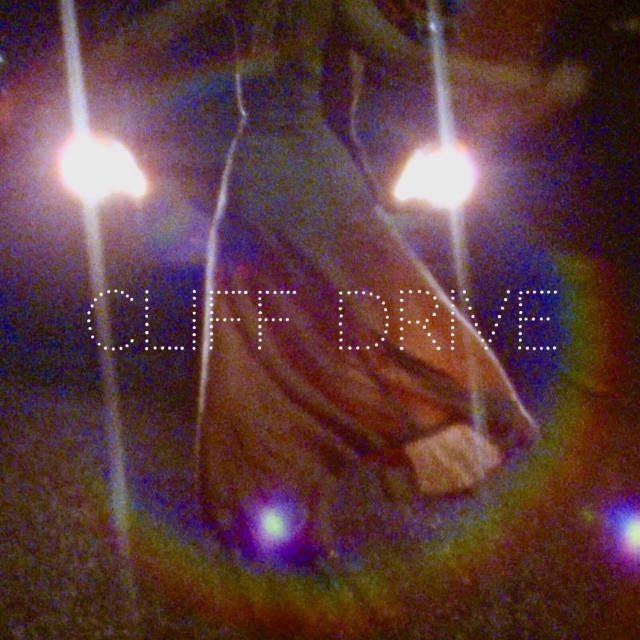
To preview the album, Richard has released the lead single, “Enough.” The track masterfully blends the iconic riddim of Sister Nancy’s “Bam Bam” with vibrant, blaring jazz horns. Lyrically, the song serves as a powerful rejection of the societal pressure to earn one’s value. “I never really knew love could really be like this,” Richard sings. “I’m usually better at doing my own shit/But I’ma try to own up and do this love drip.”
Reflecting on the song’s message, she added, “Sometimes the greatest act of resistance is believing you were always worthy.”
Collaborative Roots and Family Legacy
While “Enough” features Richard as a solo force, the full album promises a rich tapestry of collaborations. The project opens with an introduction from New Orleans icon Big Freedia, titled “A Creole Culture Intro.” Other notable contributors include Durand Bernarr, Anjelika “Jelly” Joseph, and Tarriona “Tank” Ball of Tank and the Bangas. Notably, the album also features her father, Frank Richard, a member of the legendary funk and soul group Chocolate Milk. The production was helmed in partnership with the musical collective Katalyst.
Richard views this album as the final piece of a trilogy. “New Breed was the story of New Orleans through my father’s eyes,” she explained. “Second Line was my mom — her interludes riddled the album with her depiction of what is meant to be a Creole woman in New Orleans. The masculine and feminine sides of King Creole had expressed themselves through them, but the story felt unfinished, like my version of the story was untold.”