Halsey’s ‘The Girl in the Tower’ Concert Film: A Raw Rock Transformation
Halsey doesn’t quite consider herself a pop star these days. It’s a status she cemented about a decade ago, with “Closer,” then “Bad at Love,” and then again with “Without Me.” Even then, she felt a little out of a place and a bit rough around the edges by pop standards. Lately, Halsey feels about as connected to the label as she does with the version of herself who made them — which is to say very little. ‘Rock star,’ on the other hand, seems to fit perfectly.
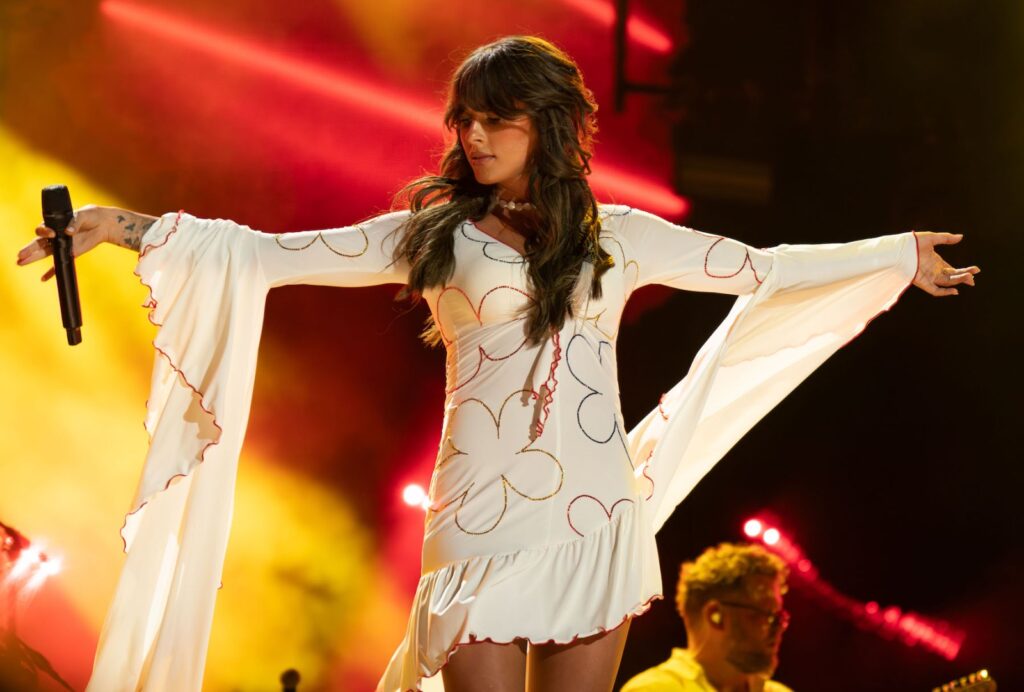
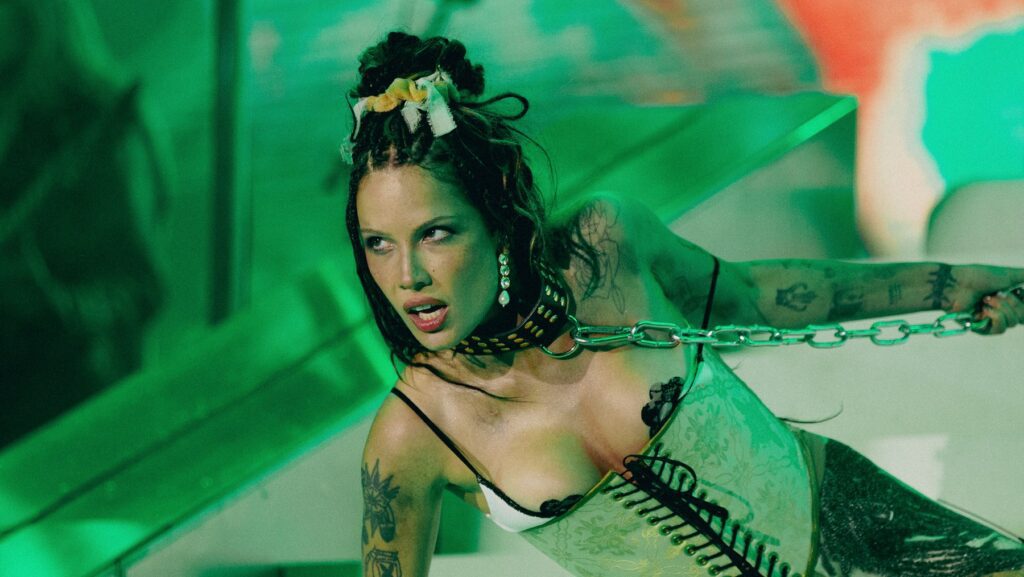
Halsey assembled an evocative rock show spanning five studio albums and an emotional hurricane in The Girl in the Tower, her first official concert film. The 75-minute show was shot across multiple performances on the singer-songwriter’s recent European festival tour. The intensity of the crowds vary from stop to stop, but Halsey persistently wrings herself out. Sweat, blood, tears. It’s all left on these stages in the film, which premiered on YouTube on the fifth anniversary of her fourth studio album, If I Can’t Have Love, I Want Power.
A Theatrical Evolution
Five years ago, Halsey used that record to take a shot at the misconceptions of who she is as an artist. If I Can’t Have Love, I Want Power gripped tightly to what remained of their sense of control. They surrendered to the ways in which motherhood would both pull them back from the edge. Both love and power could come from within them, they suggested, but not without fear and a certain perseverance that doesn’t masquerade as bravery. Halsey recruited Trent Reznor and Atticus Ross to pump the record full of blistering rock production to match its gritty content.
Halsey created a film for If I Can’t Have Love, I Want Power, too. The release, which shares a title with the album, featured barely any dialogue. It communicated fantasy, horror, and searing despondence through the music. With thousands of people packing the festival grounds in front of her, Halsey takes a more theatrical approach with The Girl in the Tower. The show is split into four sections: The Mother, The Maiden, The Mage, and They’re Raging at Me. The set list spans her 14-year career, with even the most pop-forward selections filtered through thunderous percussion and earsplitting guitars.
The Performance of a Lifetime
“The girl in the tower once cried out for hours, then planted a garden to pick herself flowers,” Halsey said in a voiceover at the start of the film. “But came summer’s poison, it turned the fruit sour. Her teeth met the flesh. She begins to devour. Then back, like it never had left, came her power. Delighted and louder. They’re raging at me.” From there, Halsey rages right back.
Fire blazes around the edge of the stage as they launch into “Nightmare” at the top of the show. The Mother portion of the set opens with “I Am Not a Woman, I’m a God,” and in minutes Halsey brings the crowd to worship. The torch she lights at the start of “Castle,” a roaring cut from her debut album Badlands, leads them into battle. However hard they were going wasn’t hard enough — Halsey stopped “Castle” midway through and made them run it back. They needed to jump higher, headband harder, scream louder. The final chorus explodes with everything they have left in them and Halsey follows it with pristine vocal runs.
Halsey introduces The Maiden with “Dog Years,” an arresting selection from The Great Impersonator. She performs the track with a thick chain leash around her throat. It connects to the stage, locking her in place at the top of a staircase. She finds control even while trapped and breaks away with “You Asked for This” and “Experiment on Me,” which whips the crowd into a frenzy with bodies slamming into each other in massive circle pits as she demands for them to open it wider. She continues with a rock version of “Closer” that serves as an apt reminder that it was always Halsey who made that song great.
A Vantage Point of Power
They reach for magic during The Mage portion, which opens with “The Lighthouse,” a spellbinding record that casts Halsey as a siren luring sailors to their death. Her other siren songs, then, are “Colors,” “Without Me,” and “Hurricane.” More like cautionary tales, they’re each interrogations of power and the inherent destruction of savior complexes. Halsey has always had a preoccupation with embedding narratives into their albums, but their storytelling really comes to life when they break those projects apart and assemble a set list as weighty as the one she created for The Girl in the Tower.
Halsey mixes the sharp ideas she wrote on Badlands as an uneasy teenager with reflections from later albums that came from wisdom and experience — whether from life or from the spotlight of stardom — but that didn’t necessarily leave her with thicker skin. There’s her fight for control on If I Can’t Have Love, I Want Power, but also her dissection of life, death, and legacy on The Great Impersonator, the record she thought might be her last offering as she battled a health crisis. She puts them together like puzzle pieces she assembles — not for the sake of figuring out herself, but to erase any confusion anyone else might have about her at this point in her career, six years removed from her last Top 40 hit.
They conclude The Girl in the Tower with “Lonely Is the Muse,” a burning and ferocious rock track that might actually be the greatest song they’ve ever recorded. It’s the perfect ending for the final section of the show, They’re Raging at Me. “I was built from special pieces that I learned how to unscrew,” she sings. “And I can always reassemble to fit perfectly for you, or anybody that decides that I’m of use.”
The Girl in the Tower isn’t caged in. It’s a vantage point from which she can see everything — and everyone — within her reach.