The Final Curtain: Columbia House Shuts Down Its Iconic Record Club
The End of an Era
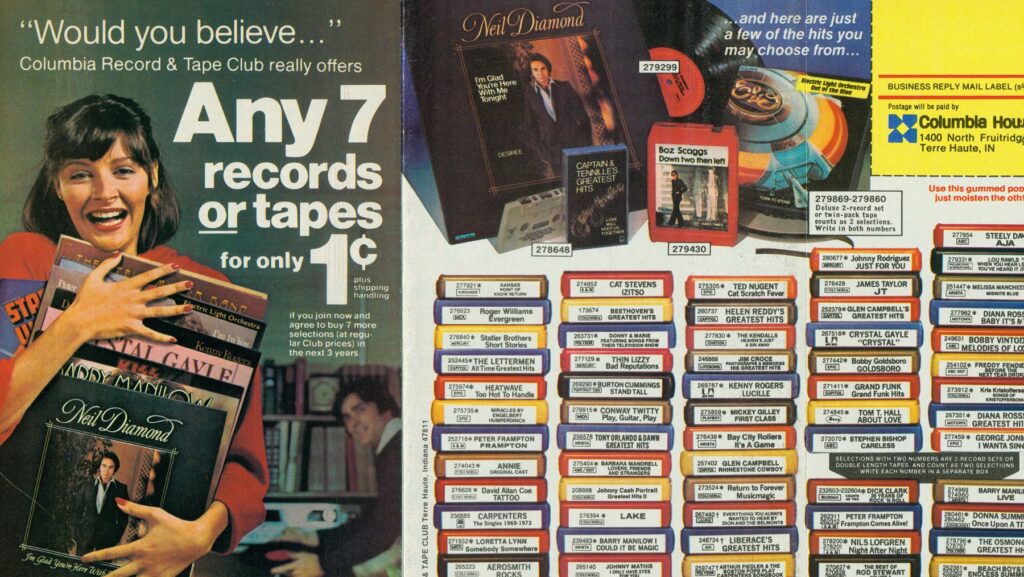
R.I.P. to an O.G. legend of the music business: Columbia House, the mail-order record club that famously promised fans a dozen LPs, CDs, cassettes, or 8-track tapes for a penny. But it is finally shutting down. After September 15, 2026, the company will no longer be accepting new orders. For many, this marks the end of a long-running part of fan culture, fueled by ubiquitous advertisements in print and on television.
Beginning in 1955 as the Columbia Record Club, the service exploded in popularity during the early Seventies. It reached its zenith during the Nineties CD boom, boasting 16 million members. The sales pitch was legendary: join the club for one cent, and receive a starter kit of music delivered directly to your doorstep. For young fans, it felt like a dream, though it often served as a harsh introduction to the complexities of “negative option billing.”
The Reality of the Deal
While the promise of “all those albums for a penny” was seductive, it came with a catch. Members were required to purchase additional albums at regular club prices, plus shipping and handling. The company would send a new selection every month, and if a customer failed to return it by a strict deadline, they were billed for the full retail cost. For many, canceling a subscription became a notorious rite of passage, often compared to trying to escape the Hotel California.
The music operations actually ceased in 2009, after which the brand pivoted to a niche DVD warehouse. Despite filing for bankruptcy in 2015, the company survived through various ownership changes, eventually becoming a repository for obscure cinema and direct-to-video oddities. The final announcement of its closure was first reported by YouTube’s Channel 33 RPM and Cord Cutter News.
A Lasting Cultural Legacy
For generations of Gen X and millennial music fans, Columbia House was more than just a store; it was a crash course in consumer capitalism. It taught us how to feel ripped off, but it also fueled our musical imaginations. Poring over those ads in the back of Parade magazine was a Sunday morning ritual, a way to build an imaginary collection and discover new artists. Even if you never signed up, the ads were a window into the music industry’s history, from the 8-track era to the height of the CD craze.
As the company finally closes its doors, it leaves behind a legacy of nostalgia. It outlived the penny, it outlived Blockbuster, and it outlived the physical media formats that once defined it. Whether you were a loyal member or someone who successfully avoided the “negative option” trap, the end of Columbia House marks the final chapter for a true icon of the analog age.