Eurovision Song Contest Expands to Asia with New Bangkok Competition
A New Chapter for the Global Pop Phenomenon
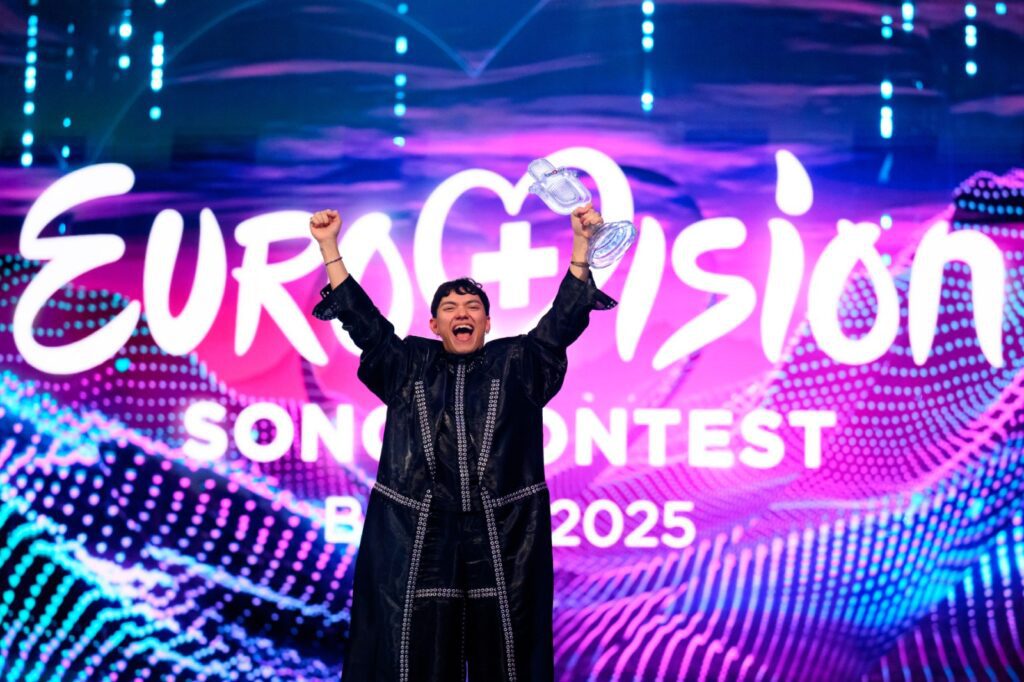
The Eurovision Song Contest, a cultural juggernaut known for its maximalist production, campy flair, and fierce musical competition, is officially expanding its reach to the Asian continent. Organizers have announced that the inaugural Asian edition of the contest will take place this fall, with the grand finale scheduled for November 14 in Bangkok, Thailand.
This expansion marks a significant milestone for the brand as it approaches its 70th anniversary. By bringing the contest to a region celebrated for its diverse musical landscape and burgeoning creative industries, Eurovision aims to foster a new platform for regional talent while maintaining the core spirit of unity that has defined the European competition for decades.
Participating Nations and Selection Process
The competition is set to feature a robust lineup of nations, with 10 countries already confirmed to participate. The initial roster includes Bangladesh, Bhutan, Cambodia, Laos, Malaysia, Nepal, the Philippines, South Korea, Thailand, and Vietnam. Organizers anticipate that additional nations will join the fold as the event approaches, further diversifying the musical styles and cultural narratives represented on stage.
In line with the traditional Eurovision format, participating countries will host their own national selection shows to determine their representatives. This process ensures that the artists chosen are reflective of their local music scenes, providing a global stage for both established stars and emerging performers.
Building on a Legacy of Musical Diplomacy
Martin Green, the director of the Eurovision Song Contest, emphasized the strategic importance of this expansion. In a recent statement, Green noted that the move is about more than just entertainment; it is about evolving the brand to reflect the voices, identities, and ambitions of the Asian region. “Eurovision Song Contest Asia will be shaped by the artists, broadcasters, and audiences who make it their own, continuing our shared journey of being United by Music,” Green stated.
Learning from Past Expansion Efforts
This is not the first time the Eurovision brand has attempted to export its format internationally. In 2022, the organization launched the American Song Contest, which featured representatives from all 50 U.S. states and was hosted by Snoop Dogg and Kelly Clarkson. Despite the high-profile talent involved, the show struggled to capture the same cultural momentum as its European counterpart and was not renewed for a second season. The organizers of the Asian edition will likely be looking to learn from these past challenges, focusing on deep integration with local broadcasters and regional cultural nuances to ensure long-term success.
The Road Ahead for Eurovision 2026
As the organization looks toward the future, the traditional European contest continues to navigate its own complex landscape. The 2026 finals and semi-finals are slated for May in Austria, though the event faces ongoing scrutiny. Several countries, including Slovenia, Iceland, Ireland, Spain, and the Netherlands, have opted to boycott this year’s contest in protest of Israel’s inclusion amid the ongoing war in Gaza. Meanwhile, Russia remains banned from the competition, a policy in place since 2022 following the invasion of Ukraine. These geopolitical tensions underscore the challenges of maintaining a platform that prides itself on being “United by Music” in an increasingly fractured world.