The Reality Gap: Trump’s Iran War Narrative Falters
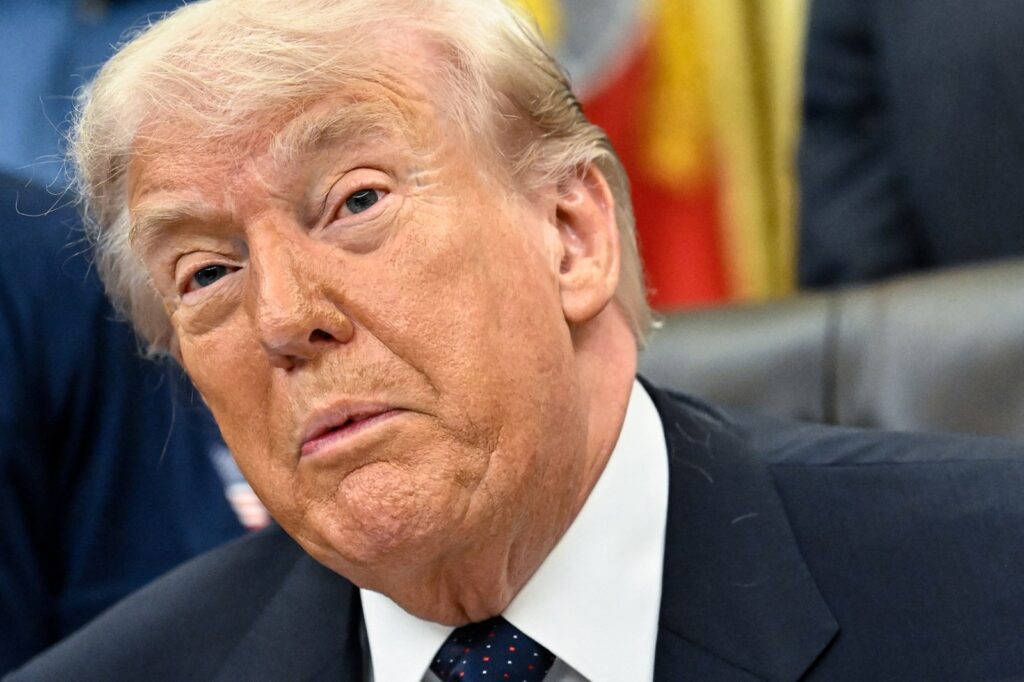
The war in Iran, President Donald Trump claims, is nearing its conclusion. Following a recent flare-up in the Strait of Hormuz—which the president dismissed as a mere “love tap”—both the United States and Iran maintain that a ceasefire remains in effect, though the stability of these negotiations is increasingly precarious. The conflict, which has persisted for over two months, appears to be drawing to a close with the Iranian regime remaining intact and maintaining a dominant position in the Strait of Hormuz. According to the administration, this outcome constitutes a victory.
“I think we won,” the president stated on Wednesday. “Now we have to get what we have to get.” However, the objectives the U.S. seeks may prove unattainable, suggesting that the conflict will conclude with something significantly less than a clear-cut triumph.
The Disconnect Between Narrative and Reality
The material realities of the past two months of warfare stand in stark contrast to the narrative being pushed by the White House. Recent reports, including internal CIA estimates, indicate that Iran’s military capabilities have weathered the American bombing campaign with surprising resilience. The regime reportedly retains 75 percent of its mobile missile launchers and approximately 70 percent of its ballistic missile stockpiles. These figures directly contradict the president’s assertion on Wednesday that Iranian stockpiles were “mostly decimated,” leaving them with only a fraction of their original capacity.
Furthermore, the economic pressure intended to serve as a primary lever against Tehran has shown limited efficacy. Intelligence assessments suggest that the Iranian economy remains robust enough to withstand the current blockade for several more months. Even the most critical strategic targets, such as Iran’s nuclear program, appear to have suffered relatively little damage throughout the campaign.
Military Perspective and Future Uncertainty
While the broader strategic picture remains murky, the tactical performance of U.S. forces is viewed differently by those on the ground. Robert Farley, a senior lecturer at the Patterson School of Diplomacy and International Commerce at the University of Kentucky, notes that U.S. service members likely take pride in their operational success, having achieved significant damage with minimal casualties. Yet, this tactical proficiency does not necessarily translate into a successful resolution of the conflict.
“People in the navy and the army are asking lots of questions: ‘Why did we do this? What did we accomplish? And what did we change that does not make the Middle East just as dangerous in six months?'” Farley explains. “I don’t think there’s a really good answer to it. However excellent we were, we didn’t solve any problems.”
As the administration looks toward a potential ceasefire, the path forward remains fraught with complications. The involvement of third parties, particularly Israel, introduces further volatility. With objectives that extend far beyond the reopening of the Strait of Hormuz—including the total degradation of Iran’s ballistic capabilities and potential regime change—Israel may act as a spoiler in future diplomatic efforts. Ultimately, as the administration prepares to declare victory, the reality on the ground suggests that the conflict may have failed to secure a better peace for any of the parties involved.