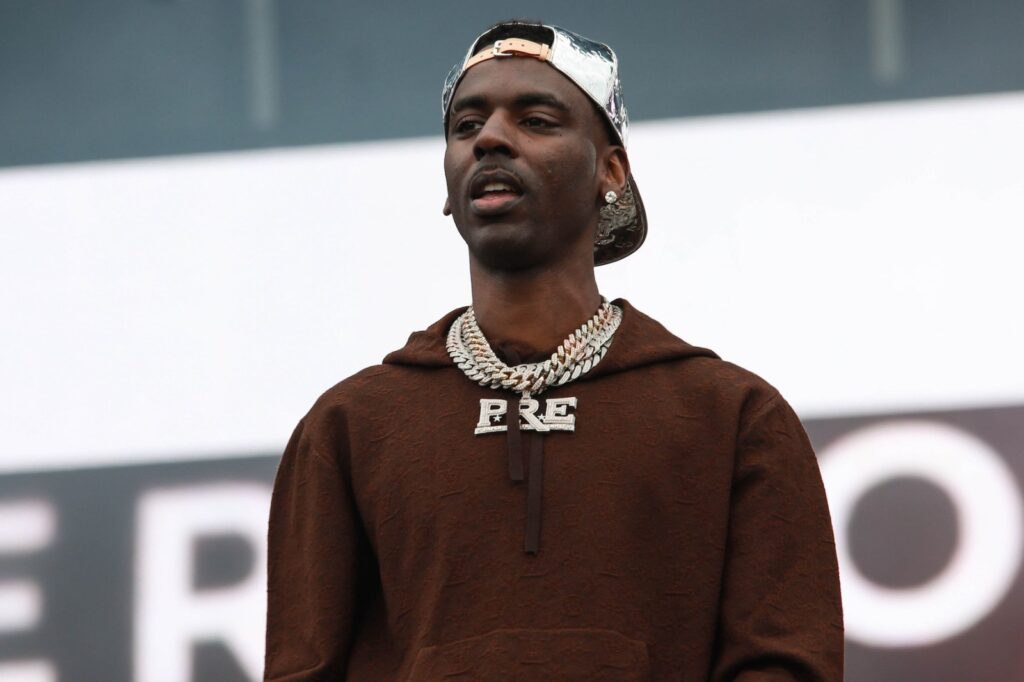
Young Dolph Shooter Pleads Guilty, Concluding Murder Case
The legal proceedings surrounding the 2021 murder of Memphis rapper Young Dolph have reached a definitive conclusion. Cornelius Smith Jr., who had previously admitted to his role in the shooting, entered a guilty plea on Friday to charges related to the artist’s death.
Smith pleaded guilty to second-degree murder as part of a plea agreement with Memphis prosecutors. This development comes nearly two years after Smith testified during the trial of his co-defendant, Justin Johnson. During that testimony, Smith admitted that he and Johnson carried out the daytime ambush at a local Memphis bakery that claimed the life of the beloved artist.
Justin Johnson was subsequently convicted and sentenced to life in prison for his role in the murder. Smith, who had initially faced multiple charges including first-degree murder, attempted first-degree murder, and various firearm-related offenses, saw those charges dropped in exchange for the plea deal. Under the terms of the agreement, Smith was sentenced to 20 years in prison.
The case also involved Hernandez Govan, who was accused of being the mastermind behind the shooting. Govan was acquitted of first-degree murder and conspiracy charges following a trial in August 2025. Additionally, Justin Johnson’s brother, Jemarcus Johnson, previously pleaded guilty to three counts of accessory after the fact, receiving a sentence of six years of diversion and community service.
District Attorney General Steve Mulroy addressed the resolution in a statement, noting, “Young Dolph was a beloved member of this community, his death a tragedy, his murder an outrage. We’re glad to finally have this last part of the case resolved. The sentence properly reflects the gravity of the offense while giving due consideration to the cooperation this defendant provided.”
Deputy DA Paul Hagerman added that while Smith’s participation was “inexcusable,” his cooperation and testimony were essential to the state’s case. Hagerman also reflected on the legacy of the late rapper, stating, “Dolph believed in this place, he believed in his people, and he loved his family. His story is, and has always been, bigger than his death.”