Riverside Church Abuse Scandal: Six Months of Stalled Justice
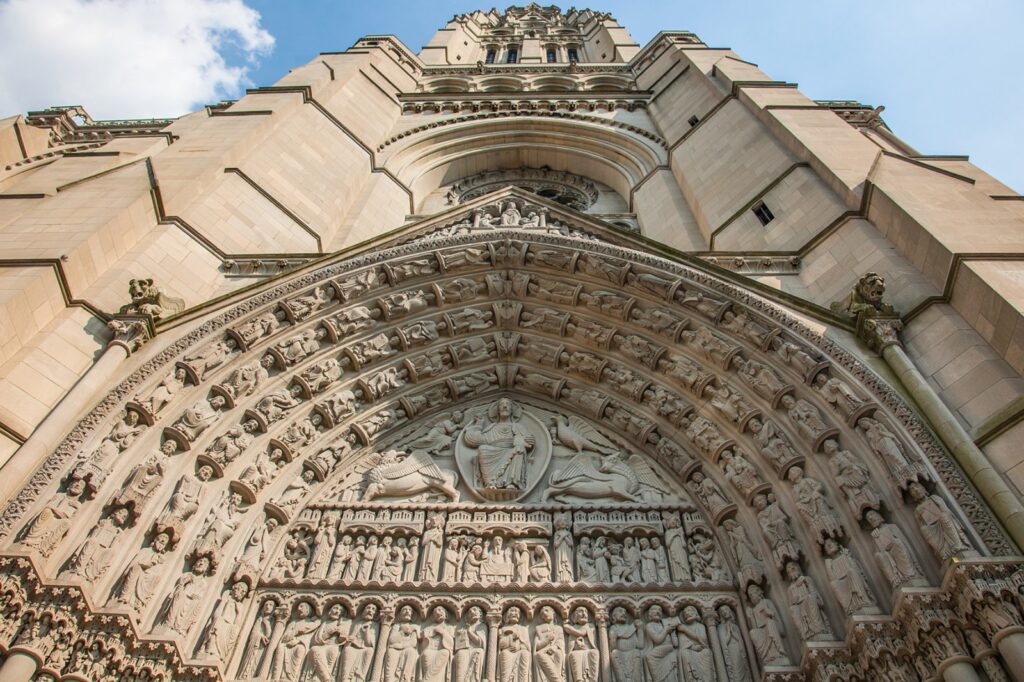
It has been over six months since the initial trial in the Riverside Church child molestation scandal concluded with a settlement for former college basketball star Daryl Powell. In the immediate aftermath, there was a palpable sense of hope that the Powell case would serve as a catalyst for a swift resolution of the remaining 25 lawsuits filed against the iconic Manhattan institution. These cases center on allegations of systemic sexual abuse within the church’s pioneering youth sports program, which famously produced more than 30 NBA players. However, that momentum has stalled.
Since Powell reached a settlement in January, only one additional case has been formally resolved, according to state court records. The delay is compounded by a tragic reality: another plaintiff has passed away. This marks the third former Riverside player to die while awaiting justice under New York state’s Child Victims Act. The plaintiff, identified in court filings as D.N., died in February, leaving his legal team at Herman Law to navigate the complexities of establishing next of kin.
The Lingering Shadow of the Riverside Hawks
The plaintiffs allege that the Riverside Church should have been aware that the director and coach of its youth sports programs, Ernest “Ernie” Lorch, was abusing children for nearly four decades. Lorch, who died in 2012 at the age of 79, built the Riverside Hawks into a powerhouse that became a template for the modern youth sports industry. Despite the gravity of these allegations, plaintiffs’ attorneys report that the pace of settlement discussions remains agonizingly slow.
“Riverside has never approached us to try to resolve this,” says Jordan Merson, an attorney representing a plaintiff suing under the pseudonym John Doe. “There is very significant exposure to the Riverside Church. I don’t know why they haven’t approached us, but we’re getting ready for trial, and we look forward to trying the case.”
A Long Road to Accountability
The legal hurdles are multifaceted. Attorneys point to the difficulty of sorting through decades of insurance coverage, with some incidents dating back to the 1960s. Furthermore, church bylaws dictate that any budget allocation for such settlements must be approved by a vote of the entire congregation, adding a layer of bureaucratic complexity to the resolution process.
For survivors like Robert Holmes, the original whistleblower who exposed the scandal in 2002, the wait has been a test of endurance. “For a time, I was disappointed with the movement of the case,” Holmes says. “But what I have learned is that the wheels of justice move slowly. I think we will achieve a resolution to this case at some point.”
As the litigation continues, the survivors remain steadfast, even as the toll of the delay becomes increasingly personal. For many, the fight is not just about financial compensation, but about forcing an institution to acknowledge the systemic abuse that occurred under its watch and ensuring that the legacy of the Riverside program is finally confronted with the truth.