Lizzo’s ‘Bitch’ Album: A Deep Dive Into Her Career Shift
The Evolution of a Pop Star
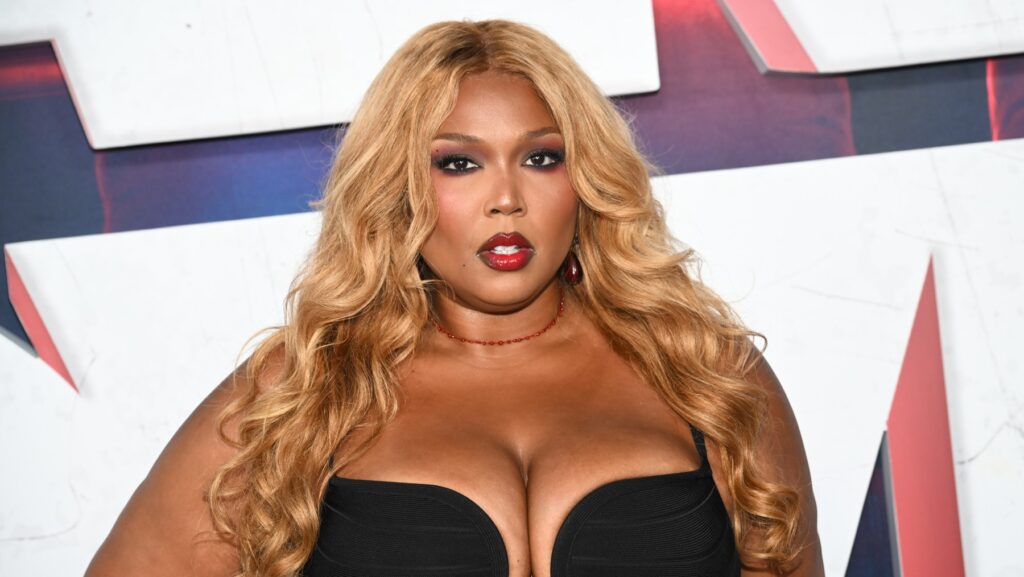
There is no denying that Lizzo is a singular artist. After exploding on the scene in 2019, she went on to land a string of hits with the ubiquitous “Juice,” “About Damn Time,” and “Good as Hell,” picking up Grammys and other accolades along the way. Not a traditional pop singer, she infused her music with funky horns, hip-hop grooves, and even the flute. She overindexed for bops, but was there a Lizzo sound? Depends on the track.
Lizzo first began chipping away at her fifth studio album, Bitch, around four years ago. The album underwent a number of transformations during that time. It was initially meant to be titled Love in Real Life, supported by a single of the same name and the disco-pop track “Still Bad,” both of which arrived last year. While Lizzo was still making up her mind about what she wanted her next album cycle to embody, it seems the broader pop audience already made up its mind about her.
Commercial Challenges and Industry Shifts
Bitch arrived on June 5 via Atlantic Records. Within its first week, the album sold 2,649 copies and racked up just under 2.7 million on-demand streams, according to music data company Luminate. In its second week, sales dropped to 650 units while streams dipped to just under 900,000. It is a steep drop from her previous album, 2022’s Special, which debuted with 39,000 copies sold and 69,000 equivalent album units earned, enough for a Number Two debut on the Billboard 200. Bitch somehow managed to evade the chart entirely.
“I think the biggest reason is that she never had a core fan base,” one former senior label executive who requested anonymity tells Rolling Stone. “She was a very song-driven, radio hits-driven artist who lacked a core fan base and that’s what you need today for career longevity.” Lizzo considered this perspective herself. Earlier this month, she credited perceived changes in the primary consumption model of music for limiting her audience. “The industry changed so much in the last 3 yrs. streaming replaced radio & I was a radio darling,” she wrote on X. “That’s how my fans discovered my music.”
Navigating Public Perception
In her post, Lizzo also acknowledged “the very obvious & public attack on my career” that largely shifted public opinion against her favor. In 2023, her former backup dancers accused her of sexual harassment, creating a hostile work environment, and fat-shaming in a lawsuit that has still yet to be settled. Last month, Lizzo sat down with Gayle King on CBS Mornings and stated she would rather prepare for trial than opt for an easy settlement. “I’m not afraid of the truth,” she added. “The truth is less salacious than the headlines.”
She has already lost too much goodwill, and industry experts suggest that the path forward is uncertain. As the music industry continues to evolve, the challenge for artists like Lizzo remains in maintaining a connection with an audience that is increasingly fragmented and fickle. Whether she can reclaim her status as a chart-topping force remains to be seen, but for now, the industry is watching closely.